TSA Liquid Carry-On Restrictions in 2026: Updated Travel Rules, Limits & Packing Tips
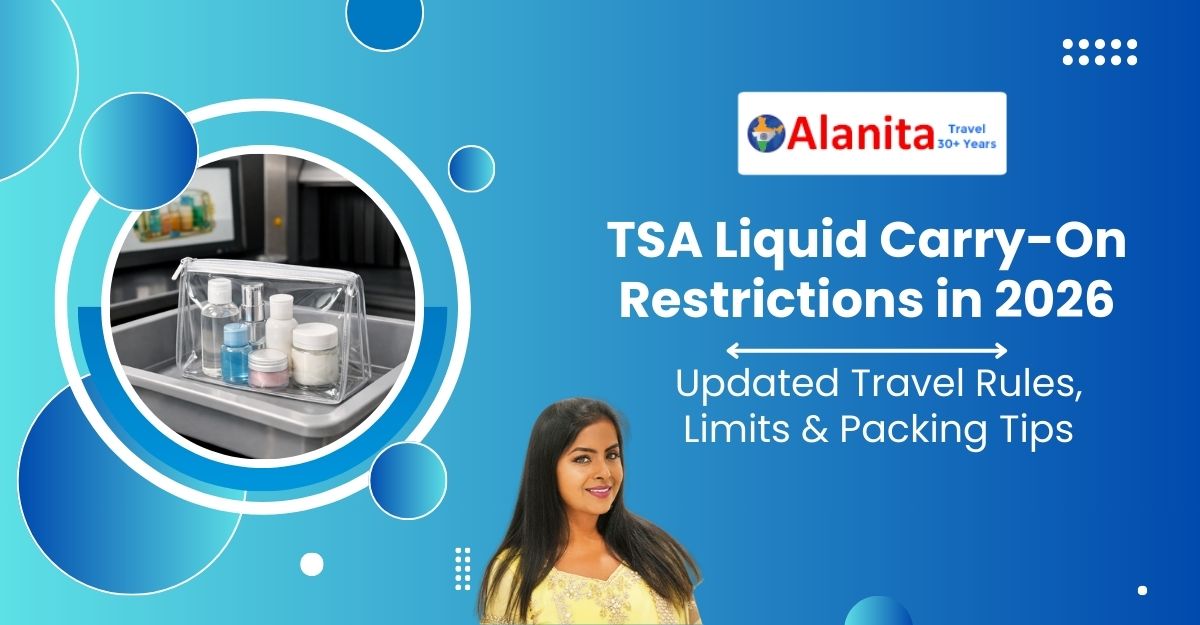
Understanding TSA liquid carry-on restrictions in 2026 is essential for a smooth airport security experience. Liquid-related screening issues remain one of the most common reasons for checkpoint delays. Proper preparation and awareness of current guidelines can significantly reduce inconvenience during travel.
This guide explains updated TSA liquid rules, size limits, exemptions, and smart packing practices to help travelers remain compliant.
TSA Liquid Rules 2026: Current Carry-On Standards
As of 2026, TSA liquid rules continue to follow the established 3-1-1 regulation for carry-on luggage:
Each liquid container must not exceed 3.4 ounces (100 milliliters)
All containers must fit inside one clear quart-sized plastic bag
Only one quart-sized bag per passenger is permitted
These restrictions apply to liquids, gels, aerosols, creams, and pastes.
If a container exceeds 3.4 ounces — even if partially filled — it is not permitted in carry-on baggage and must be placed in checked luggage.
What Items Fall Under TSA Liquid Restrictions?
Many everyday personal care and cosmetic products fall under TSA liquid guidelines.
Examples include:
Shampoo and conditioner
Toothpaste
Lotion and sunscreen
Liquid foundation
Mascara and lip gloss
Hair gel
Spray deodorant
If an item can be poured, sprayed, squeezed, or spread, it is typically classified as a liquid under TSA carry-on regulations.
Checked Baggage vs Carry-On Liquid Limits
TSA liquid carry-on restrictions apply specifically to hand luggage passing through security checkpoints.
For checked baggage:
Larger liquid containers are generally permitted
Hazardous or flammable liquids remain prohibited
Proper sealing is recommended to prevent leakage
Travelers should verify container security before placing liquids in checked baggage to avoid damage to personal belongings.
Exceptions to Standard Liquid Restrictions
Certain categories of liquids qualify for exemption from the 3.4-ounce limit.
Although exempt, these items remain subject to inspection.
Practical Packing Tips for Compliance
To minimize screening delays:
Use travel-size containers clearly labeled with volume.
Place all liquids inside a transparent quart-sized bag.
Keep the liquid bag easily accessible in your carry-on.
Remove the bag from your luggage during screening.
Double-check container sizes before departure.
Organized packing improves efficiency at security checkpoints.
Common Reasons Liquids Are Confiscated
Security delays frequently occur due to:
Oversized shampoo or lotion bottles
Multiple quart-sized bags
Forgotten liquid items in outer pockets
Opened duty-free packaging during transit
Reviewing carry-on contents prior to arrival at the airport reduces the risk of confiscation.
Importance of Preparation for Long-Haul Travel
For long-distance international travel, smooth processing at security checkpoints helps maintain schedule stability. Awareness of TSA liquid restrictions supports better travel organization and reduces last-minute complications.
In addition to following packing regulations, thoughtful planning around timing and flexibility can improve overall travel management. Seasonal demand patterns and route scheduling often influence availability. When preparing to book a cheap flight from the USA to India, evaluating travel timing and planning efficiently can support a more structured and organized booking process. Alanita Travel assists travelers in understanding these factors and organizing their travel arrangements with clarity and precision.